RFID technology has emerged as one of the most reliable solutions for real-time identification and monitoring. Among the many RFID devices available, the RFID gate reader plays a critical role in large-scale industrial, logistics, warehouse, and access control applications. AR Automation is a trusted provider of advanced RFID solutions for businesses across multiple industries. We provide innovative RFID systems that improve operational efficiency, enhance security, and simplify asset tracking across global operations.
What is an RFID Reader?
An RFID Reader is an electronic device that communicates with RFID tags using radio waves. It reads, captures, and processes information stored on RFID tags without requiring direct contact or line-of-sight scanning. RFID technology allows multiple tags to be identified simultaneously, making data collection much faster and more efficient.
A radio frequency identification reader consists of three primary components:
- Antenna
- Transceiver
- Data processing unit
The antenna emits radio frequency signals that activate nearby RFID tags. The reader then receives information transmitted by the tags and forwards it to management software for processing and analysis.
How RFID Gate Readers Work
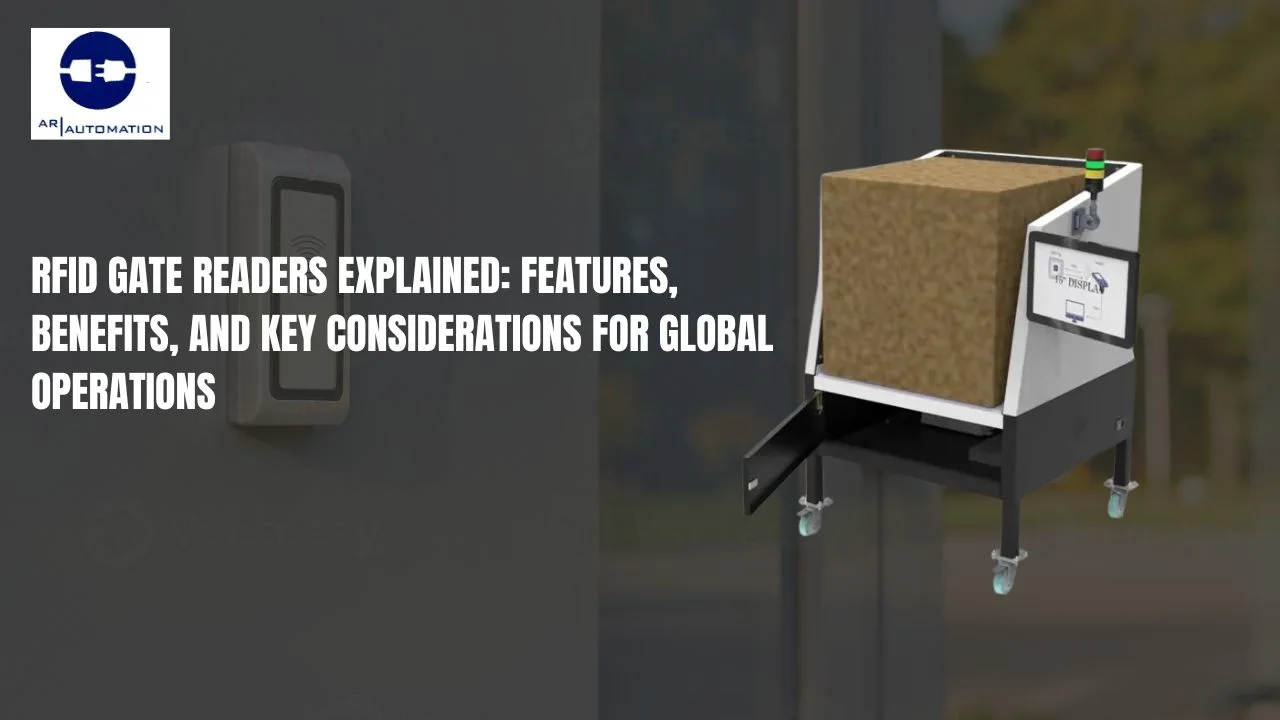
An RFID gate reader is a specialized RFID system installed at entry and exit points, warehouse gates, loading docks, manufacturing facilities, and security checkpoints. It automatically detects RFID-tagged objects or personnel passing through designated gate areas. The RFID tag receives the signal and responds by transmitting stored information back to the reader.
The radio frequency identification reader captures the data and instantly transfers it to the connected software system. This enables real-time monitoring, automated record updates, and accurate tracking throughout the facility.
Features of RFID Gate Readers
Modern RFID gate readers are equipped with advanced capabilities designed for demanding industrial and commercial environments.
- Long-Range Detection: Many RFID gate systems can identify tagged assets from several meters away, allowing seamless movement through gates without stopping operations.
- Real-Time Data Capture: An RFID gate reader provides instant visibility into asset movement, inventory transfers, and personnel access activities.
- Multi-Tag Reading: Unlike barcode systems, RFID readers can detect multiple tags simultaneously, reducing scanning time and increasing productivity.
- High-Speed Processing: The system quickly processes large volumes of data, making it suitable for warehouses, logistics hubs, and manufacturing facilities.
- Durable Construction: Industrial-grade RFID gate readers are designed to withstand dust, moisture, vibration, and harsh environmental conditions.
Key Considerations When Choosing an RFID Gate Reader
Selecting the right RFID solution requires careful evaluation of operational requirements.
- Reading Distance Requirements: Different applications require different detection ranges. Businesses should determine the necessary reading distance before selecting equipment.
- Environmental Conditions: The installation environment may include dust, moisture, extreme temperatures, or electromagnetic interference.
- Tag Compatibility: The radio frequency identification reader must support the RFID tags used within the organization.
- Software Integration: Seamless integration with existing business systems ensures maximum operational efficiency and return on investment.
- Scalability: Organizations with expansion plans should select RFID solutions capable of supporting future growth and increased tracking volumes.
- Data Security: Protecting operational data is essential, particularly for multinational organizations handling sensitive information across multiple facilities.
Benefits of RFID Gate Readers
Organizations around the world are increasingly investing in RFID technology because of its significant operational advantages.
- Improved Asset Visibility: An RFID gate reader provides real-time information about asset location and movement, reducing the risk of misplaced inventory.
- Enhanced Security: Businesses can automatically monitor authorized and unauthorized movement through facility entrances and exits.
- Increased Efficiency: Automated identification eliminates manual scanning, reducing labor requirements and operational delays.
- Accurate Inventory Management: RFID systems help maintain accurate inventory records and minimize human errors during stock movement.
- Faster Logistics Operations: Distribution centers and warehouses benefit from quicker receiving, shipping, and inventory verification processes.
- Better Compliance and Reporting: Automated tracking creates reliable digital records that support audits, compliance requirements, and operational reporting.
Why Choose AR Automation?
AR Automation specializes in advanced RFID technologies designed to meet the evolving needs of modern businesses. We offer reliable RFID solutions that help organizations improve visibility, automate processes, and strengthen operational control.
Our team works closely with clients to develop RFID systems that align with their operational objectives and long-term growth strategies.
The RFID gate reader has become an essential tool for organizations seeking accurate, automated, and real-time tracking capabilities. From logistics and manufacturing to healthcare and security applications, these systems streamline operations while improving visibility and efficiency. Selecting the right radio frequency identification reader can significantly enhance business performance. With advanced RFID solutions from AR Automation, organizations can confidently manage assets, inventory, personnel, and supply chain operations while supporting productivity and operational excellence on a global scale.